
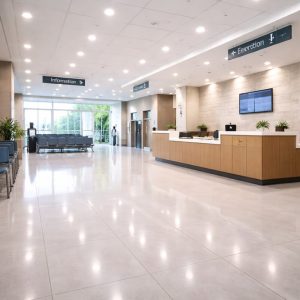
 Public offices say a lot before anyone speaks. The floors, walls, and restrooms send signals the moment a visitor walks in. Tile plays a quiet but central role in that first impression. Clean, well-kept tile suggests order and care, often supported by regular tile cleaning routines that preserve both appearance and hygiene. Stained, cracked, or loose tile suggests the opposite and in a public setting, that difference matters. Tile is common in government buildings, municipal halls, courthouses, libraries, and service centers. It’s used because it’s durable, easy to clean, and moisture-resistant. But durable does not mean maintenance-free. Over time, grout darkens, surfaces dull, and chips appear. When that wear is ignored, it affects how people see the entire institution.
First Impressions Start at the Floor
When someone enters a public office, they notice the floor right away. Even if they don’t consciously think about it, they register its condition. Shiny, intact tile with clean grout feels orderly. It gives the sense that the space is well managed. On the other hand, stained grout, loose tiles, or visible cracks make a building feel neglected.
That perception extends beyond the floor itself. People tend to assume that visible conditions reflect invisible ones. If the lobby floor looks dirty, they may wonder about record keeping, processing times, or overall efficiency. It may not be fair, but it happens. Physical space influences trust.
Public offices handle sensitive tasks. They process permits, manage benefits, oversee public safety, and handle legal matters. Visitors often arrive stressed or uncertain. A clean, well-maintained space helps lower tension. It signals stability. Tile maintenance supports that quiet reassurance.
Hygiene and Public Confidence
Tile is common in restrooms, waiting areas, and service counters. These are high-touch, high-traffic zones. Grout lines absorb dirt and moisture. Without regular cleaning and sealing, they become dark and stained. In restrooms, this is especially noticeable.
People judge cleanliness quickly. Even minor discoloration can create doubt. If a restroom tile looks grimy, visitors may question the building’s overall sanitation standards. That doubt affects confidence in the institution itself.
Regular tile cleaning, grout sealing, and prompt repairs reduce these risks. They also protect health. Mold and mildew can grow in damp grout. Broken tiles can collect dirt and bacteria. In public settings with heavy use, preventive maintenance is not cosmetic. It’s practical.
Safety and Accessibility
Maintenance also affects safety. Cracked or uneven tiles create tripping hazards. Loose pieces can shift underfoot. In buildings that serve seniors, children, or people with disabilities, this risk increases.
Slip resistance matters as well. Polished tile can become slippery when wet. Proper cleaning methods and appropriate finishes help maintain traction. Replacing damaged sections quickly reduces liability and protects visitors.
Public offices are meant to be accessible. That includes physical safety. When tiles are level, intact, and properly maintained, the building feels reliable. People can focus on their purpose there, not on watching their step.
Cost Control and Long-Term Planning
Some offices delay tile maintenance to cut costs. On paper, this can look practical. But neglect often leads to higher expenses later. Small cracks spread. Water seeps under tiles. The adhesive weakens. Entire sections may need to be replaced rather than repaired.
Routine cleaning, sealing, and minor repairs extend the life of tile installations. They preserve the original investment. For public institutions that rely on taxpayer funds, responsible maintenance reflects responsible management.
Budget transparency matters in public settings. Visible deterioration can raise questions about how funds are used. Well-maintained facilities support the idea that resources are handled carefully. It’s a subtle message, but a powerful one.
Consistency Across Spaces
Public offices often include multiple rooms: lobbies, hallways, offices, meeting rooms, and restrooms. If some areas are spotless and others are clearly worn, the contrast stands out. Inconsistent maintenance suggests uneven priorities.
Tile condition should be consistent across the building. That does not mean every surface must look brand new. It means visible damage should be addressed, and cleaning standards should remain steady. When visitors move from one area to another, the experience should feel coherent. Consistency builds credibility. It shows that attention to detail is not limited to public-facing areas only.
The Psychological Effect of Order
People respond to visual cues. Straight grout lines, aligned tiles, and smooth surfaces create a sense of structure. Disorder, even small visual breaks, can create subtle discomfort.
In public offices where decisions are made and documents are processed, order matters. The physical environment reinforces that expectation. Clean tile lines and intact surfaces mirror administrative clarity. They suggest that systems are in place and functioning.
This does not require luxury materials. Basic ceramic or porcelain tile can look professional when maintained properly. The key is care, not cost.
Staff Morale and Workplace Standards
The image of a public office affects employees, too. Staff members spend hours each day in these spaces. When floors and walls are clean and intact, the environment feels respected. That can influence morale.
Neglected surroundings can have the opposite effect. Employees may feel that standards are low or that their workplace is overlooked. Over time, that can shape behavior. People tend to rise or fall to the level of their environment.
Tile maintenance is part of a broader facility management strategy. It signals that the organization values its space and the people in it.
Practical Steps for Better Tile Maintenance
Public offices do not need elaborate renovation plans to improve their image. Small, steady actions make a difference:
- Schedule routine deep cleaning for tile and grout.
- Seal grout lines in high-moisture areas.
- Inspect floors regularly for cracks or loose tiles.
- Replace damaged sections promptly.
- Use cleaning products suited to the tile material.
These steps are not dramatic. But they prevent a gradual decline. And they maintain a baseline of professionalism.
A Reflection of Public Service
Public offices represent government, local administration, or community services. Their physical condition reflects public service standards. Tile may seem minor compared to policy or staffing. But it is one of the most visible elements in a building.
Visitors may forget the exact layout of a lobby. They may not remember the color of the walls. But they will remember whether the space felt clean and orderly.
Tile maintenance shapes that memory. It influences trust, comfort, and perception. And in public service, perception carries weight.
A well-maintained floor or restroom does not solve administrative challenges. But it enhances the institution’s credibility. It shows care in the details. And often, it’s the details people notice most.